What does each term mean though?

Don’t worry if it all seems a bit confusing, it's worth noting to start off with that there are blurry edges around all the various definitions below, with riders often not describing themselves as being a certain type of cyclist or doing one thing or the other.

Bikes used in adventure riding can be very different too – before gravel became a thing, people would often ride hardtail mountain bikes to go out on multi-day adventures, and many still do.

Touring bikes have also been around for many years – heavy-duty and designed to travel long distances, with lugs for rear paniers and bags on front forks, internal hubs from brands like Rohloff and Shimano are a popular option, some bikes come with a front suspension fork, sometimes fitted with mudguards and used mostly on roads with the capability for light off-road use.


Gravel bikes have evolved in the last ten years or so to be the best of all worlds, taking elements from other bike styles to create the perfect adventure-ready bike.  Lighter with no suspension, drop bars, good clearance for muddy conditions and wider tyres. Many gravel bikes come with a 1x (one-by) drivetrain - a single front chainring and a wide-range rear cassette - which is popular for its simplicity, reliability, and reduced weight. Slightly more relaxed rider position to a road bike.


Electric gravel bikes using lighter weight motor and battery systems than standard eBikes are available from brands including Specialized, Scott and Ribble with prices around £1000 over their normal gravel bike equivalent.

There are now many gravel-specific products that have developed to cater for this growing market with light and compact bags specially designed for gravel bikes (typically inside the frame triangle, on the top tube, seat packs that attach to saddle/seat post, and stem/handlebar bags) all with strap fittings so minimal lugs on frames required. A number of clothing, shoe and kit brands have also designed new lines for this type of riding.


Despite the differences, they all share the spirit of self-sufficiency, exploration and mixed-terrain adventure and for many riders the same bike setup serves all three

Exploring Vineyards in Romania (photo credit: Bike in Time)

Gravel cycling (shorter)

Typically day-rides or weekend escapes on mixed surfaces (gravel roads, farm tracks, forest fire-roads). Lower gear/kit commitment, closer to home, easier to integrate into busy lives. Many organised gravel races have been created for riders wanting to pitch themselves against the clock and other riders. So strong ‘gravel communities’ have also developed too with like-minded riders gathering together at events to share their experiences and the best places to ride.

(photo credit: Bike in Time and Epic Road Rides)

photo credit: Pyrenees.cc and Epic Road Rides

Bike-trekking (medium)

2-5 day adventures, with camping or lodge stays. Covering longer distances and incorporating remote terrain. Trekking holidays, often incorporating gravel riding, are increasingly growing in popularity. Often supported by a local cycling travel specialist who provides knowledge of routes, technical support, option to use their fleet of bikes, and offering a variety of options to stay overnight.

(photo credit: Epic Road Rides)

Epic Road Rides

Bike-packing (epic)

Exploring other countries and remoter regions, usually self-supported or minimally-supported overnight camping trips. On mixed, more technical terrain, carrying lighter gear on bike (smaller frame bags, handlebar rolls, seat-packs). The main differences to trekking is the terrain, the type of luggage system used, and the overall bike setup - with bikepacking being lighter and more agile while trekking is usually heavier and more stable for long-distance, road-based travel. Full immersion in nature and self-reliance.

(photo credit: Epic Road Rides)

What's driving interest in adventure cycling? A number of factors are at play

  • Freedom: Travel restrictions during the pandemic meant adventure riding rapidly gained popularity as it gave people the freedom to go out and explore the outdoors on their doorstep and post-pandemic to further afield.
  • Versatility: The styles of riding let you mix road, mountain bike trails, dirt roads, alpine tracks, scenic paths which traditional road bikes can't reach.
  • Light touch adventuring: Riders can experience remote terrain which would normally require 4x4s to reach, so appeals to adventurers who want to have a minimal impact on the local environment.
  • Growing communities: Reddit forums such as r/gravelcycling and r/gravelbike reflect lively discussion about gear, routes, beginners and budgeting. Events like Dirty Reiver, Shimano Rebound and Gritfest in the UK cater for the growing gravel scene with many similar events all around the globe.
  • Inclusive growth: Events like Garmin Gravel Worlds report nearly 40% female participation in some editions. Velo+1
  • Alternative to traditional cycling: Some Redditors report certain demographic groups such as new cyclists and female riders are shifting to gravel as the go-to “entry to adventure” platform. Safety concerns are likely to be a factor with cycling on roads often involving busy conditions and marred by an anti-cycling sentiment from some road users. Mountain biking may also be considered too extreme for some riders so opting for gravel instead.

How to get started

Where to go:

Leverage community and route intel: Remote rides need proper route planning with help and advice available on Reddit forums, cycling forum chat groups, reports on supported rides, some local bike shops will also organise ride-outs and know their local trails well.

https://www.cyclinguk.org/

https://off.road.cc/

https://bikepacking.com/bikepacking-routes/ 

https://bicycleadventureclub.co.uk/

Plan for weather:

Research best time of year to for multi-day trips. Hydration is key during height of summer and a Camelbak back pack is a popular choice. Muddy conditions mean slower riding and require more time, over-use in the wet can also damage trails so locals will avoid using them in the winter. Clothing layering is key for cold weather riding, utilising breathable materials and merino to stay warm and comfy. Remember that spare clothing should be put in waterproof bags just in case.

Start Steadily:

If you’re new to this type of riding look for beginner-friendly groups and social ride clubs. Many trail centres have gravel routes and are a good starting point for first rides with parking available, clearly marked trails and often a workshop/cafe on-site.

https://www.beicsbrenin.co.uk/adventure/

Find a rider group that best suits you:

There are also some great women-led initiatives to help get you started with support and advice, and find different levels of group rides nearby to you.

https://sistersinthewild.com/

https://theadventuresyndicate.com/

https://adventurequeens.co.uk/

https://epicroadrides.com/cycling-blog/womens-bike-tours/

Pack Smart

  • Maintenance kit for long and multi-day trips: get a saddle bag for a multi-tool, pump or CO2, tubeless repair kit or take spare tubes, tyre levers.
  • Essentials: Make sure you have cages for at least 2 water bottles, nutrition bars or similar, a light first-aid kit, lights and batteries for overnight rides, cable ties and some duct tape can come in very handy too.
  • Sleep System: There's a huge choice of lightweight one man tents available and sleep pads and blankets. Don't forget some loo roll if you're planning an overnight stay in the wild.
  • Clothing:  layered and warm, pack a waterproof option, spare socks, some good mountain bike gloves - summer or winter options - are essential, cycling glasses are sensible for bright sunshine conditions and to stop dirt and stray bugs getting in eyes - with entry-budget options available

The Bikepacking 101 Handbook is a brilliant 20,000 word book in it's second edition and a really useful resource for new adventure riders.

There's more great info here from Epic Road Rides.


Bikepacking 101 Handbook

Algarve Cycling

Ten Adventure Cycling Destinations to Watch for 2026

Here are some of the emerging hotspots for gravel and bike-packing holidays:

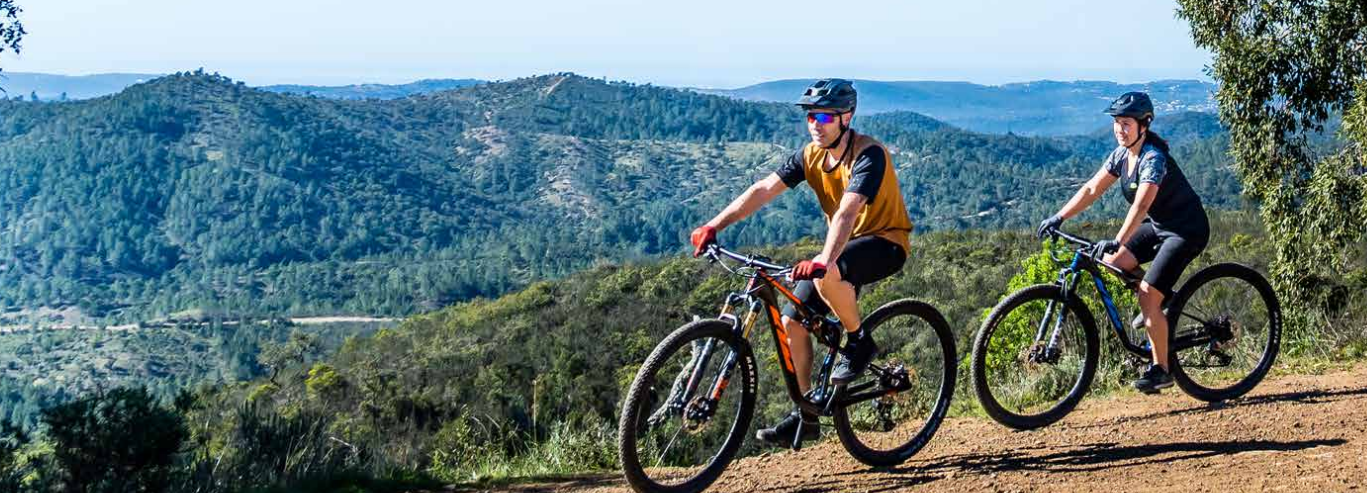
  • Portugal’s Alentejo and Algarve regions: (photo above) quiet rolling plains, stunning scenery and wine trails. https://visitalgarve.pt/en/3442/algarve-cycle-routes
  • Slovenia: alpine forest tracks and pristine lakes.
  • New Zealand’s South Island: the Alps 2 Ocean trail, perfect for gravel rigs.
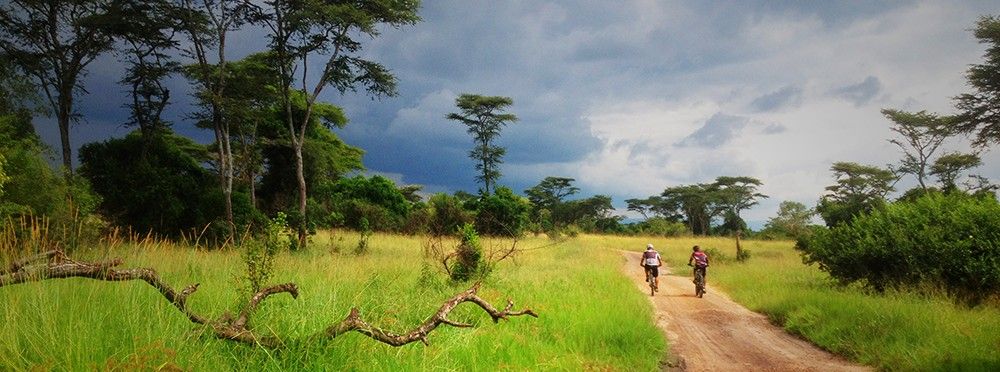
  • Kenya’s Rift Valley: the rising star of African gravel riding.
  • France’s Dordogne and Ardèche: scenic gravel routes through history-rich countryside.
  • Patagonia’s Carretera Austral — Chile A pilgrimage for adventure cyclists. The Carretera Austral weaves through rainforests, fjords and mountains, offering a truly wild, soul-stretching ride.
  • The Kingdom of Gravel — Basque Country, Spain: Now one of Europe’s leading gravel hubs. Smooth farm roads, scenic coastlines, and challenging climbs make this ideal for a first multi-day trip.
  • Mainland Greece: The part of the country tourists don’t see, it’s remote and biodiverse landscapes are on the radar now for cyclists. Alpine lakes, ancient black pine and beech forests, and open mountain ridges with brown bear, wolves, otters, and more than 80 bird species. https://monopati-hikenbike.com/bikes
  • Thailand: Diverse gravel riding opportunities, from the well-known mountain and jungle routes around Chiang Mai to flatter, more remote terrain in provinces like Phetchaburi and Chonburi. https://bicyclewanders.com/all-trips/  
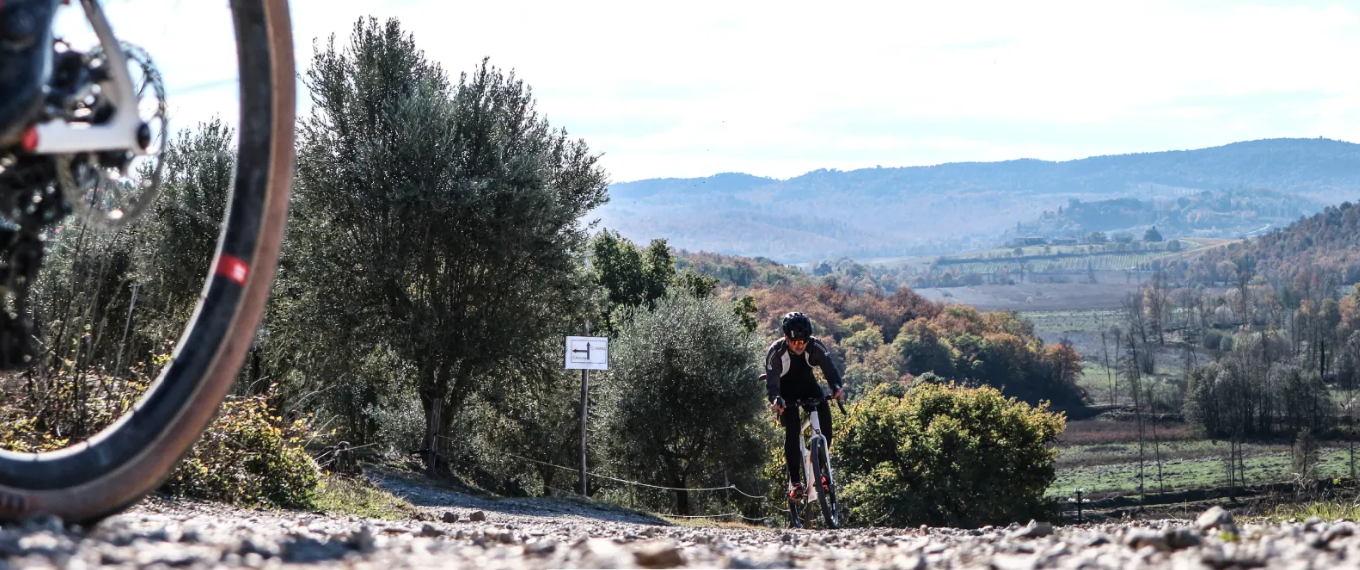
  • Tuscany’s Strade Bianche Trail — Italy: (see below) Ride the same famed strade bianche that inspired Italy’s classic race through Siena, Montalcino and Chianti wine trails, but at a relaxed, exploratory pace. Expect sun-bleached roads, hilltop villages and stops for espresso and gelato. www.italybikehotels.com/offers/gravel-weekend-on-the-strade-bianche
Strada gravel

Why the Adventure Travel Show and Gravel & Adventure Bike Expo should be part of your 2026 trip planning

  • Meet specialist exhibitors offering gravel tours, bike-packing trips, multi-day bike-trek routes
  • Hear from a line-up of male and female adventure riders who’ve ridden across continents all over the globe, including the round-the-world record holder Mark Beaumont, Molly Weaver, Angus Young, Josh Ibbett, Ade Ola and Steve Bate.
  • Check out the latest gear and kit designed for off-road adventures and get tips on what to buy from the people who test them for a living
  • Find out about insurance cover designed specifically for touring cycling with www.covermyadventure.com

Book now at www.adventureshow.co.uk to join the gravel revolution and start your two-wheeled adventure in 2026.