ADVENTURE TRAVEL SHOW

WILDLIFE ADVENTURES

People, places, possibilities.

From the Big Five on an African safari to Arctic expedition cruises and the remarkable wildlife of the Galápagos, discover encounters to inspire your next adventure. Meet specialist travel companies at the Adventure Travel Show, get expert advice and find the wildlife experience for you.

125+

Specialist travel exhibitors
from around the globe

TWO SHOWS

Your ticket includes the
Gravel & Adventure Bike Expo

FOUR THEATRES

Four free-to-visit theatres

£11

Adult advance tickets
+ booking fees

The classic wildlife experience focused on viewing the "Big Five” and the annual grand migrations.

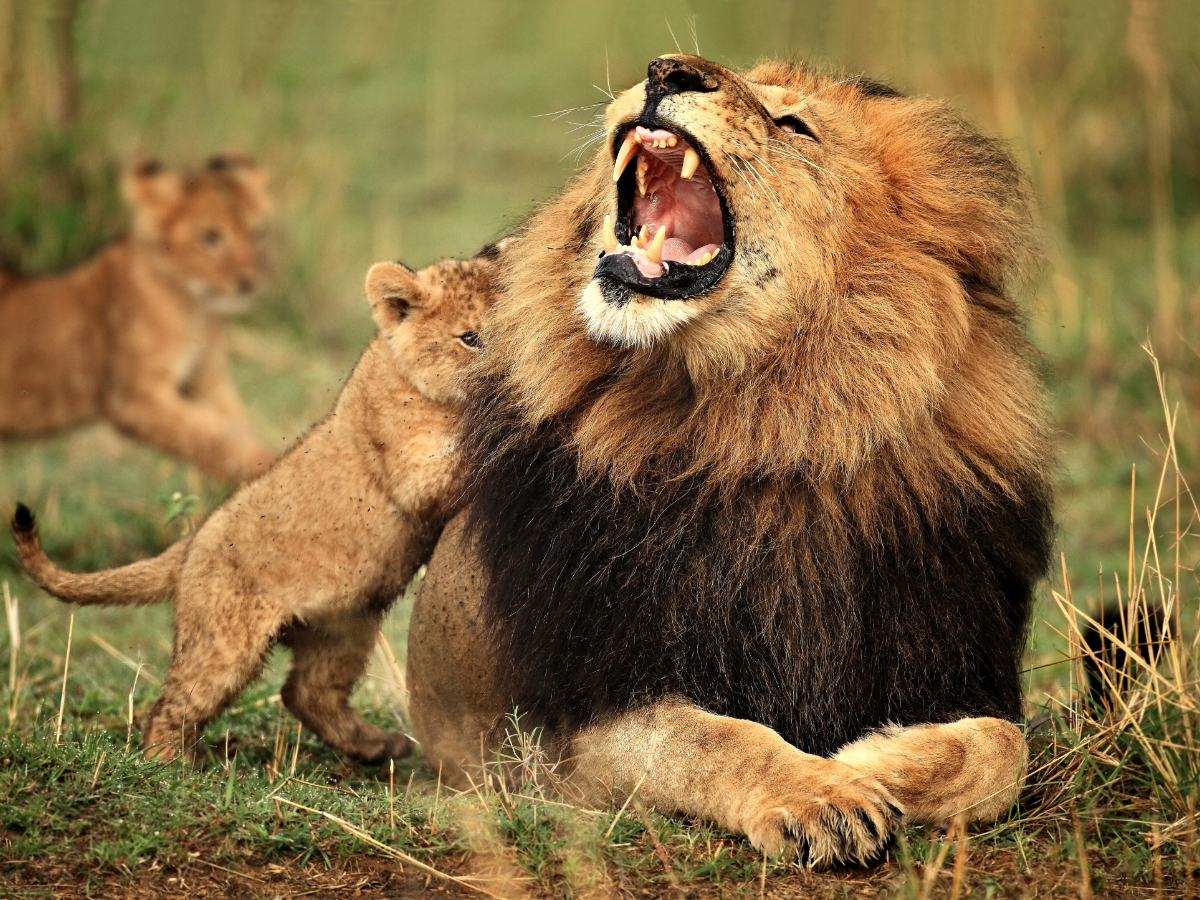
LIONS

The huge national parks and protected reserves across East and Southern Africa offer reliable lion sightings with dense populations of prey. unique regional behaviours.

Simon Reeve

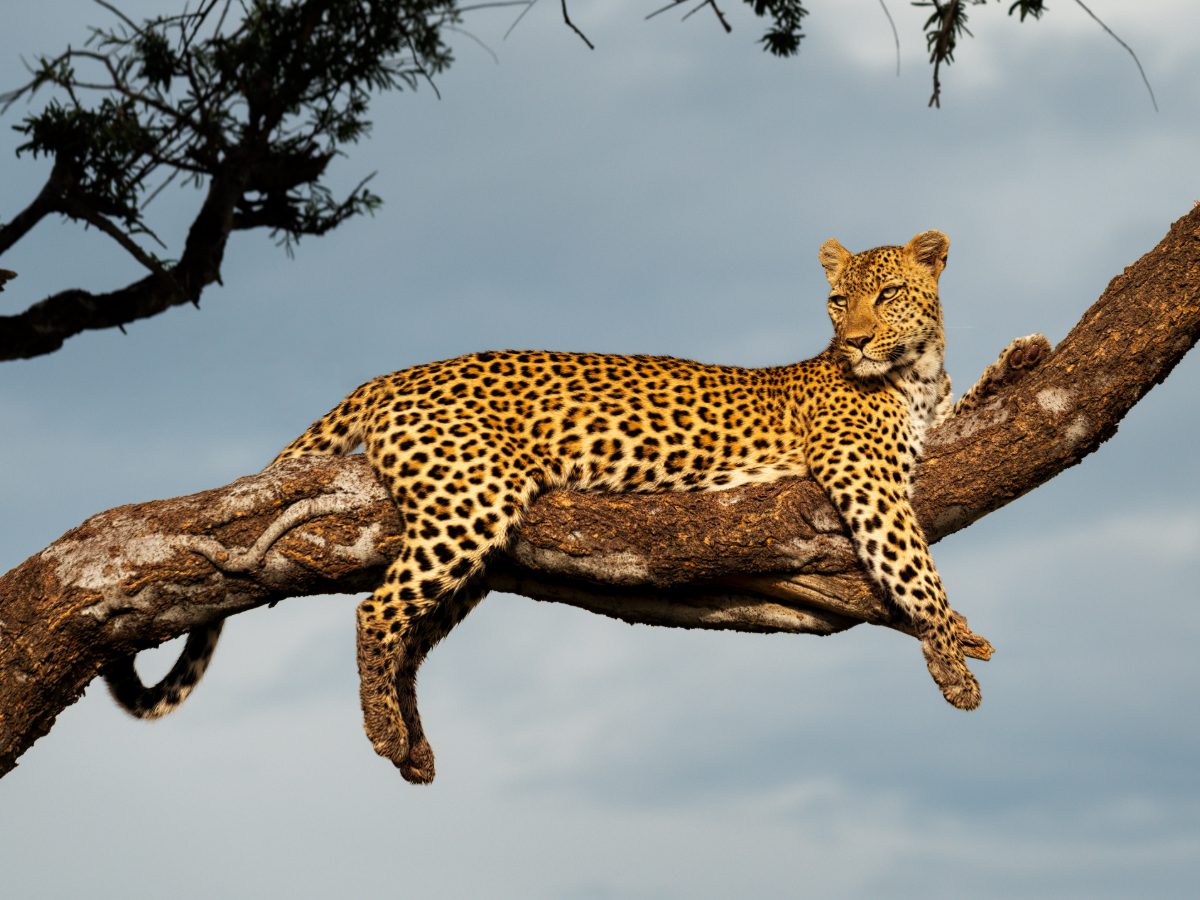
LEOPARD

The area bordering Kruger, Sabi and South Luangwa National Parks is considered to be the leopard capital of Africa. The cats here are used to vehicles, and guides are allowed to drive off-road for close-up sightings.

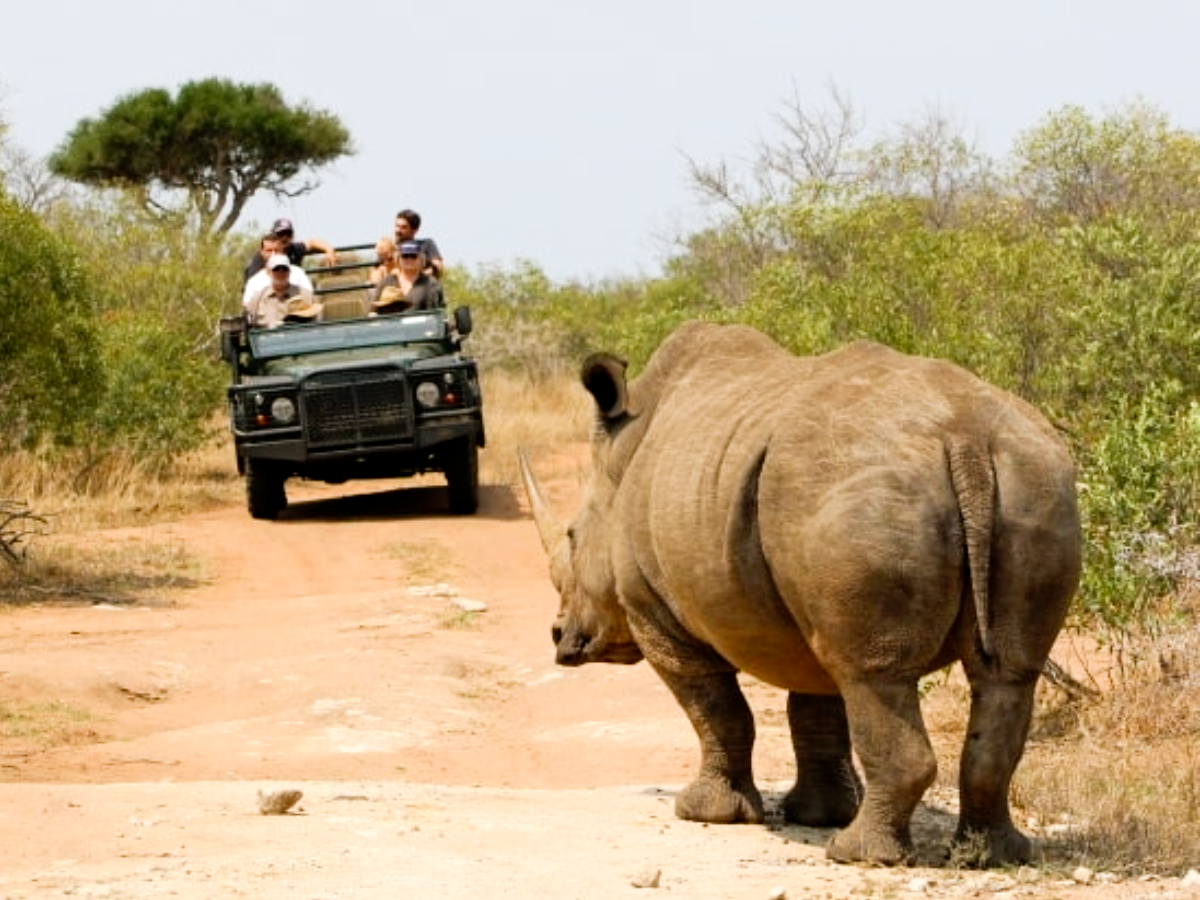
RHINO

The best places to see rhinos in the wild depend on the species you want to encounter (white, black, greater one-horned, Javan, or Sumatran), but Namibia Kenya, Eswatini, South Africa, India, Nepal and Indonesia all offer the best chance to see these magnificent creatures in their natural habitat.

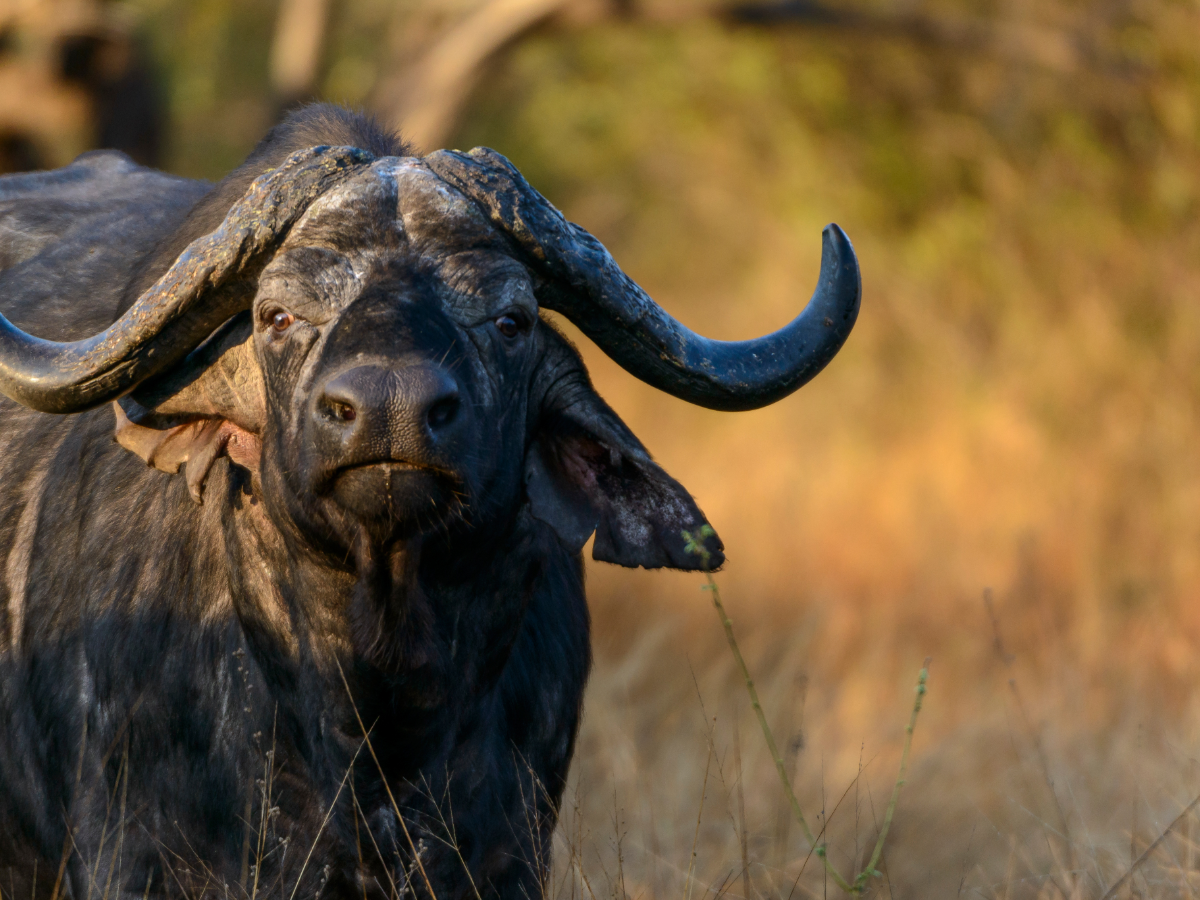
AFRICAN BUFFALO

The mega herds of cape buffalo and their widespread population across sub-Saharan Africa mean they are one of the easiest members of the Big Five to spot. The best options to see buffalo are the year-round water sources where dramatic predator interactions can occur.

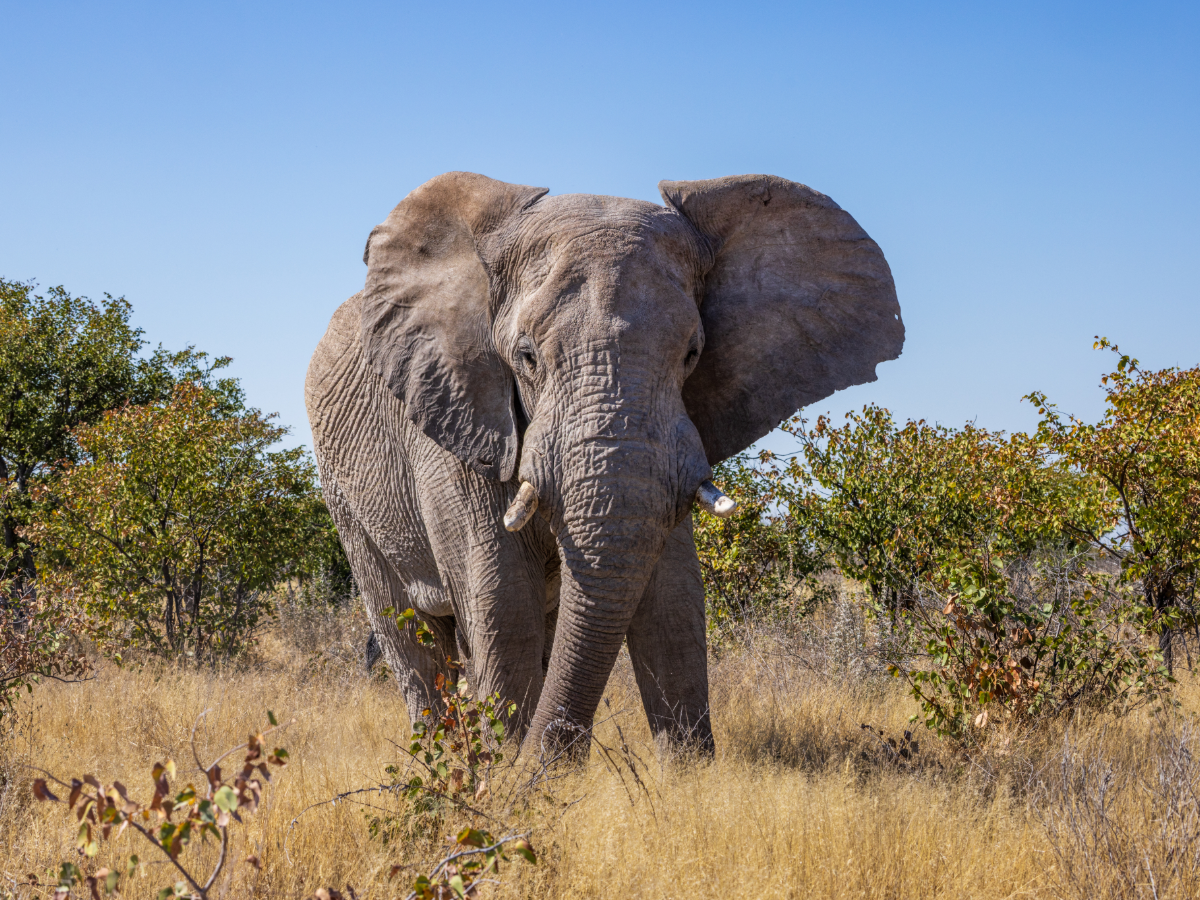
AFRICAN ELEPHANTS

Seeing elephants in the wild is considered the easiest of the Big Five because of the relatively large population sizes across southern and central Africa with an estimated 415,000 animals. These National Parks and game reserves are popular choices for safaris: Amboseli in Kenya, Chobe in Botswana, South Luangwa or Mana Pools in Zimbabwe and Mashatu Botswana.

Simon Reeve

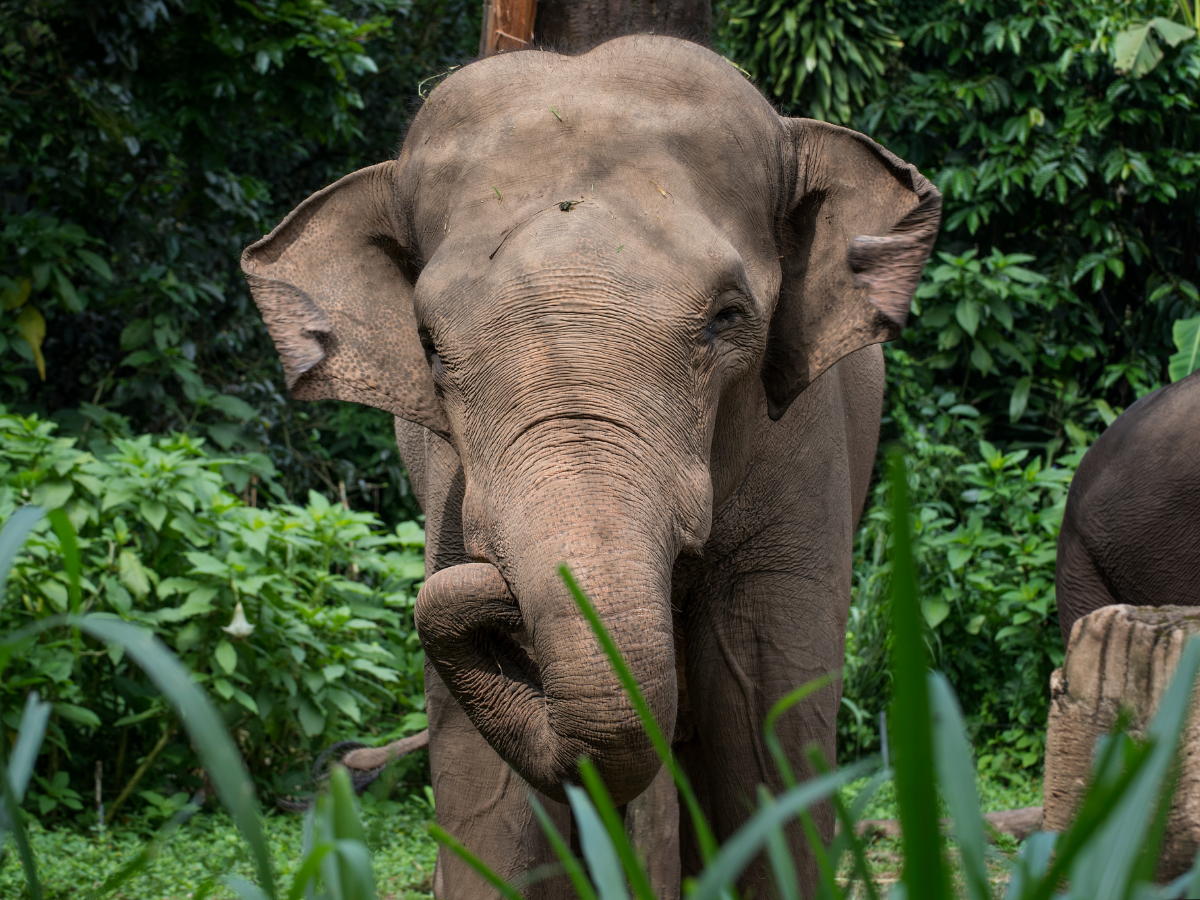
ASIAN ELEPHANTS

India has the most elephants in Asia, home to roughly 27,000 to 30,000 animals, but other countries with notable wild populations include Sri Lanka, Myanmar, Thailand and Indonesia

“Nothing raises the plains pulse like the report of a leopard; many safari fans openly admit narcotic-like addictions with this dappled assassin”

– Paul Goldstein, wildlife photographer, safari guide & presenter

Gorilla among green foliage in Bwindi forest

Beyond the Big Five: gorilla encounters

Many safari travellers combine an African wildlife holiday with a shorter trip to see wild gorillas. Their habitats are concentrated in specific regions of equatorial Africa, so these encounters take a little more planning.

Gorilla trekking requires a permit. Ask your specialist operator about availability, current fees and the right destination for your trip. The drier periods, typically June to September and December to February, can make forest trails easier to walk.

Read more about seeing wild gorillas in Africa

Meet Africa’s four gorilla subspecies

  • Mountain gorillas: found in the high-altitude forests of Uganda, Rwanda and the Democratic Republic of Congo.
  • Eastern lowland gorillas: found in the Democratic Republic of Congo.
  • Western lowland gorillas: the most widespread subspecies, found across parts of Central Africa.
  • Cross River gorillas: the rarest subspecies, living in remote areas along the Nigeria–Cameroon border that are generally not open to tourism.

Photo: Nathalie Lays / Unsplash

When to go on safari

The best time depends on your destination and the wildlife you hope to see. During the dry season, animals often gather around water sources, making herds easier to find. Early mornings and late afternoons are rewarding times for wildlife watching. Ask your operator about local seasons and migration patterns before choosing your dates.

Where to stay

Safari accommodation ranges from luxurious lodges and tented camps with fine dining to comfortable mid-range lodges and simpler camps. Discuss your budget, essential amenities and preferred level of comfort with your operator.

Travel with conservation in mind

Safari costs can contribute to local wildlife protection, while dedicated conservation trips offer a closer look at the work involved. Some operators are citizen-owned, with close ties to local communities and sustainability projects.

Explore Ecolife, Delta Ecowild Safaris, Journey Africa conservation trips and Fisherman’s Rest.

Which safari is right for you?

Start with your preferred pace, who is travelling and the way you would like to experience the wildlife.

  • Walking safaris: guided excursions offering an immersive way to explore on foot.
  • Classic game drives: converted 4x4 vehicles provide all-round visibility and access to wildlife areas.
  • Motorbike adventures: specialist guided tours offer another way to explore remote regions. Explore Compass Expeditions’ Africa tours.
  • Aerial safaris: take in the plains from a hot-air balloon at sunrise, or travel by small plane to remote reserves.
  • Boat safaris: watch wildlife from the water as elephants and buffalo come to drink and bathe. Discover boat safaris in Malawi.

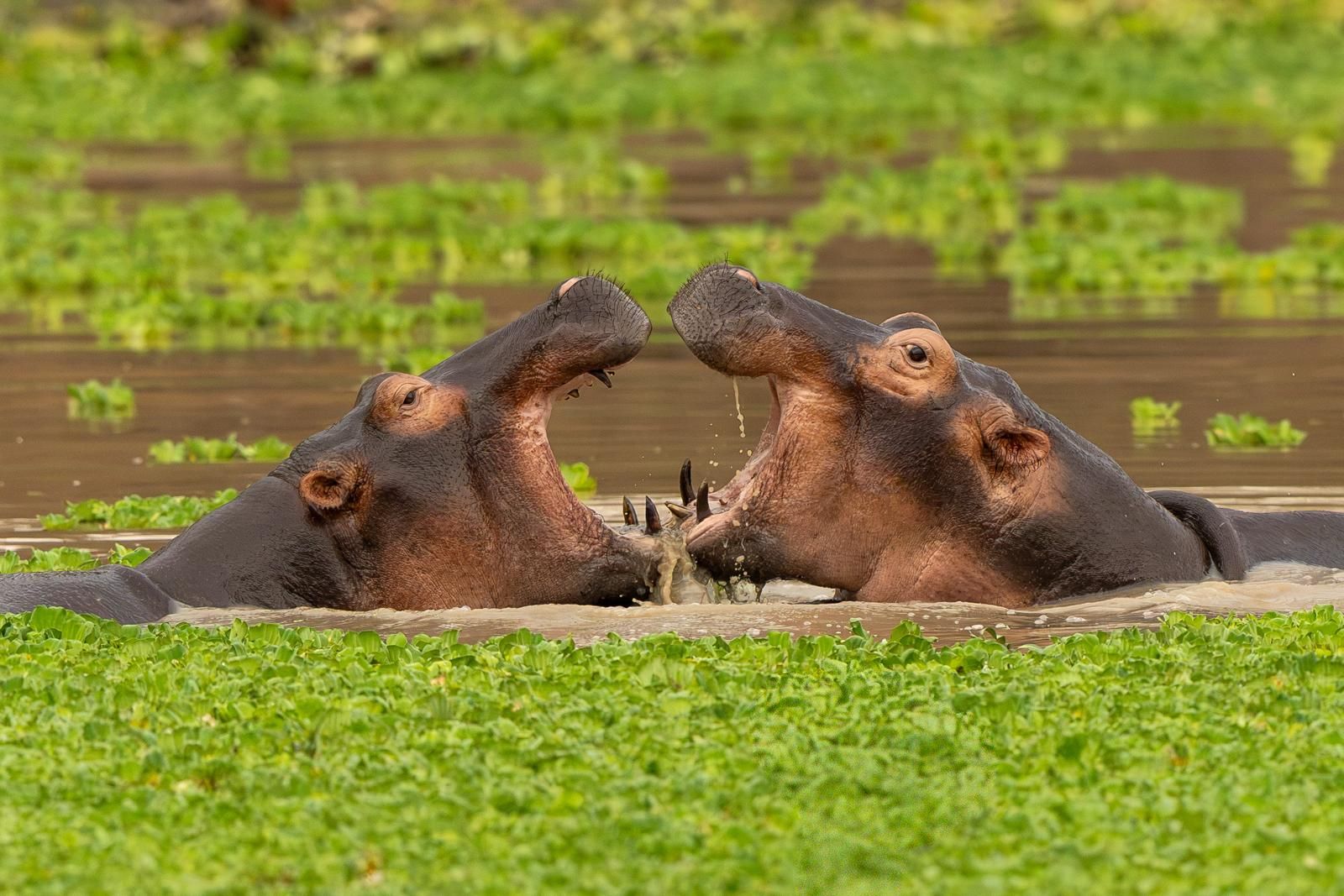
Hippos on safari

“From the arid Kalahari to the verdant Okavango Delta, in the wake of crossing elephants in the Lower Zambezi or exploring the wilderness and conservation haven that is South Africa’s Kruger National Park. The thrill of experiencing wildlife at close quarters is impossible to beat. On a walking safari, or on land or river it's a thrilling sensation for young and old.”

Robin Russell-Pavier, Briggate Travel

Meet safari travel specialists

Compare routes, accommodation and wildlife experiences with specialist travel companies at the show.

Loading
United Kingdom Flag
Exhibitor profile image for Travel the Unknown
Standard

Travel the Unknown

Stand: C15
United Kingdom Flag
Exhibitor profile image for Trotting Soles
Standard

Trotting Soles

Stand: F11
Exhibitor profile image for Ugandadventure Safaris
Standard

Ugandadventure Safaris

Stand: D14
United Kingdom Flag
Exhibitor profile image for Wendy Wu Tours
Standard

Wendy Wu Tours

Stand: B17

More safari inspiration

View all exhibitors

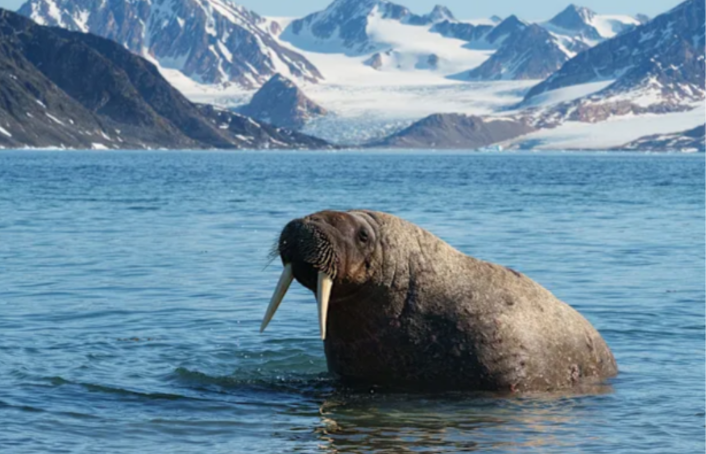
Walrus in Arctic waters beneath snow-covered mountains

Polar wildlife

Arctic expedition cruises

Specialist operators, including HX Expeditions, travel to remote cold-weather frontiers such as the Arctic, where extraordinary wildlife lives among dramatic coastlines, ice and open sea.

Planning your voyage

When to go: late June to August is a key period for Svalbard expedition cruising, when retreating sea ice opens up more routes. Conditions shape each itinerary.

Trip length: the voyages in your shortlist may range from eight to 20 days. Ask operators about flights, transfers and current options for solo travellers.

“This is a different world. It’s adventure on a keel. You wouldn’t get more excitement going into the same areas even if you hired your own sailboat. There’s such a sense of adventure and every trip is custom made. We are in the arms of Mother Nature.”

Karin Strand, VP of Expeditions, HX

Wildlife to look out for

  • Polar bears Churchill in Canada and the high-Arctic archipelago of Svalbard are well-known places to seek these remarkable animals.
  • Svalbard reindeer This distinctive subspecies has short legs and a compact body adapted to Arctic winters.
  • Arctic foxes Look for the white and rarer blue colour forms, both with thick winter coats.
  • Walruses, seals and whales Svalbard offers opportunities to watch walruses, ringed and bearded seals, and a variety of whale species.
  • Birdlife Summer brings huge colonies of nesting seabirds to the archipelago.

What makes an expedition different?

Small expedition boats launch from the main ship to explore shores that larger vessels cannot reach. Naturalists, scientists and historians add context through guided excursions and onboard talks, helping you understand the wildlife and its fragile ecosystems.

Meet Arctic expedition specialists

Loading
    Loading
      Loading

        Watch the expedition wildlife video on YouTube

        Island wildlife

        The Galápagos: wildlife encounters

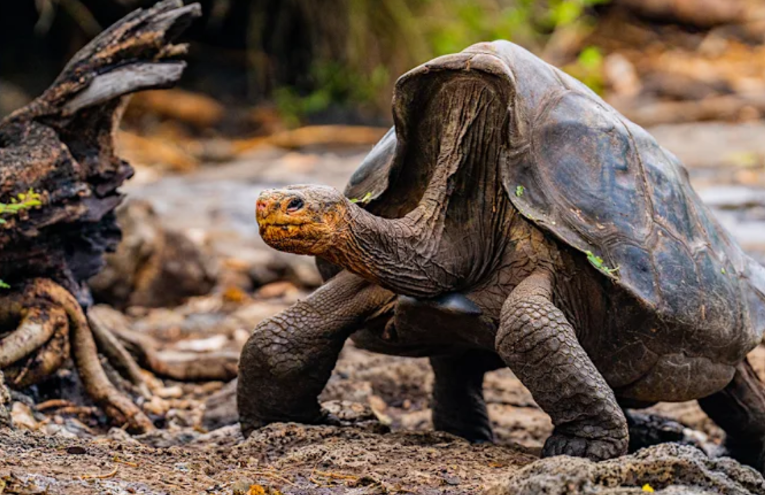
        Galápagos giant tortoise

        Giant tortoises, marine iguanas, penguins, turtles, sea lions and remarkable birdlife make the Galápagos a dream destination for wildlife lovers. Each island brings a different encounter.

        When to go: the islands are a year-round destination. January to June is generally warmer and wetter, while July to December is cooler and drier. Choose your timing around the wildlife and activities that matter most to you.

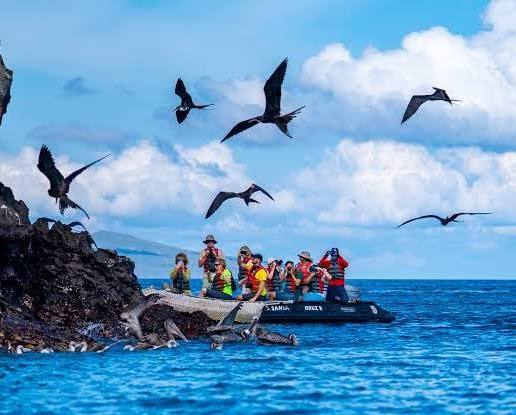
        Seabirds flying above a small expedition boat in the Galápagos

        How to explore

        Travellers fly from mainland Ecuador and can stay on land, hopping between islands, or join a small cruise ship to explore coastlines and harbours. Depending on the itinerary, there may be opportunities to kayak or scuba dive. Puerto Ayora offers a relaxed base for time ashore.

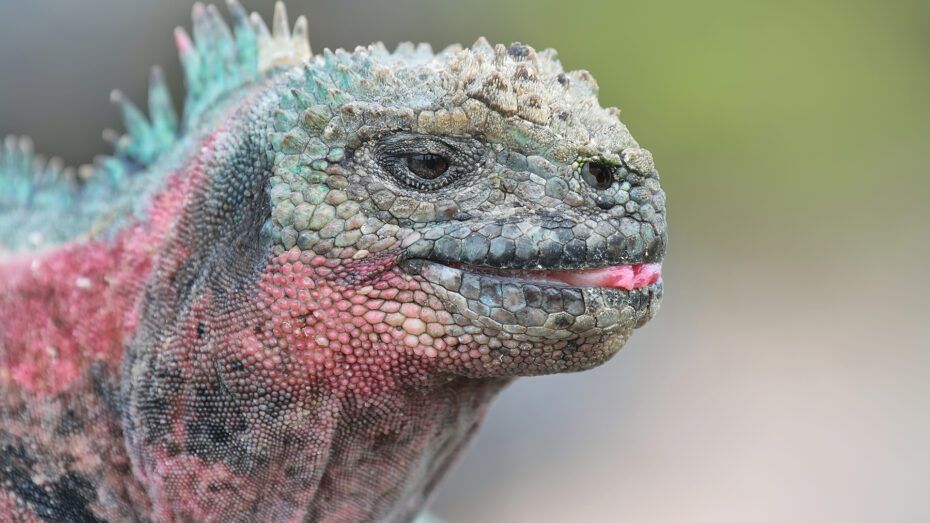
        Marine iguana in the Galápagos

        Conservation comes first

        Protecting the Galápagos means restoring habitats, managing invasive species and supporting responsible tourism. Choose an operator that explains how its visits help protect these fragile islands and the wildlife that lives there.

        Learn about Galápagos conservation

        “What excites me about the Galapagos is the uniqueness of the place, the amount of unspoilt life that we have here and how everything works in harmony… It doesn’t seem like earth.”

        Romero Tamala, HX Guide

        Meet the islands’ remarkable wildlife

        • Galápagos giant tortoises The world’s largest tortoises, with distinctive domed or saddle-backed shells.
        • Marine iguanas Swimming iguanas that feed on underwater algae and expel excess salt through their nostrils.
        • Land and pink iguanas Yellowish land-dwelling iguanas, alongside the rare pink iguana found on Wolf Volcano.
        • Lava lizards Small, quick lizards known for their territorial push-up displays.
        • Green sea turtles The sea turtle species that regularly nests on the islands.

        A birdwatcher’s paradise

        • Blue-footed, red-footed and Nazca boobies Seabirds with distinctive feet and nesting habits.
        • Darwin’s finches Closely related birds whose varied beaks helped inspire Darwin’s work on evolution.
        • Flightless cormorants Specialised divers and the world’s only flightless cormorant species.
        • Galápagos penguins The only penguin species found north of the equator.
        • Great and magnificent frigatebirds Males display an inflated red throat pouch during courtship.
        • Waved albatrosses Large seabirds that breed almost exclusively on Española Island.
        • Galápagos hawks and American flamingos Two more memorable species to look for.

        Meet Galápagos travel specialists

        Loading
          Loading
            Loading

              Turn inspiration into your next adventure

              Meet the specialists at the show

              Bring your wildlife wish list to the Adventure Travel Show. Compare itineraries, ask about responsible travel and get advice from people who know these destinations.

              Explore the exhibitor directory